
There is a stubborn myth that travel belongs only to people with deep pockets. It does not. Plenty of people see an enormous amount of the world on ordinary budgets, and the difference almost never comes down to income. It comes down to choices, both the big ones you make while booking and the small ones you make every day on the road.
Travelling on a budget does not mean travelling badly, either. Some of the best experiences, the street food stall, the local bus, the free viewpoint at sunset, are cheap precisely because they are where real life happens. Stretch your money well and you often come away with a richer trip, not a poorer one.
The big decisions do the heavy lifting
Where and when you go matters far more than any single daily saving. Some destinations simply give you more for your money, places where a comfortable room and a good meal cost a fraction of what they would back home. Pointing your trip toward one of those is the most powerful budget move there is.
Timing is the close second. Travel in the shoulder season, just outside the peak, and flights, rooms, and tours all soften at once, usually while the weather is still perfectly good. You get most of the upside of high season at a noticeably lower price.

Spend where it counts, save where it does not
The travellers who make budgets stretch are not miserable about it, they are just deliberate. They will happily skip a pricey hotel breakfast to eat where the locals eat for a fraction of the cost, then put the difference toward the one experience they truly came for. It is not about saying no to everything, it is about knowing what is actually worth the money to you.
- Eat where the queue is locals, not tour groups.
- Use public transport for the everyday hops and save taxis for when it really matters.
- Pick a stay with a kitchen or free breakfast to trim a few meals.
- Seek out the free walking tour, the public beach, the museum’s cheaper evening.
- Travel a little slower, since fewer moves means fewer tickets to buy.
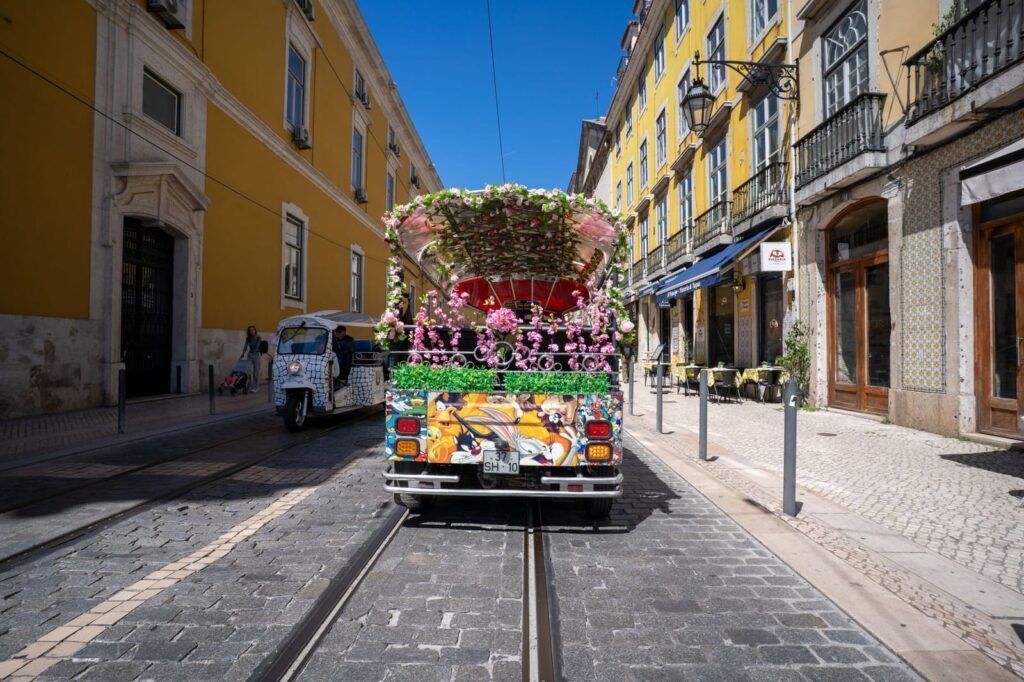
Slower is usually cheaper
Racing through six cities in ten days sounds impressive, but every leg costs money and every fast move burns cash you could have spent enjoying yourself. Staying longer in fewer places cuts your transport bill, often unlocks a better weekly rate on a room, and gives you time to find the cheap, wonderful corners that rushed travellers never even see.
It is better for the trip as well as the wallet. You stop feeling like you are only ever passing through and start actually getting to know a place.
Let the price help you choose
When you are flexible about exactly where you go, the deals can plan the trip for you. Compare several destinations at once, watch for the routes and dates that land cheapest, and follow the value. Book the good fare when it appears, and you will be amazed how far a modest budget can genuinely take you.